2Q-Solution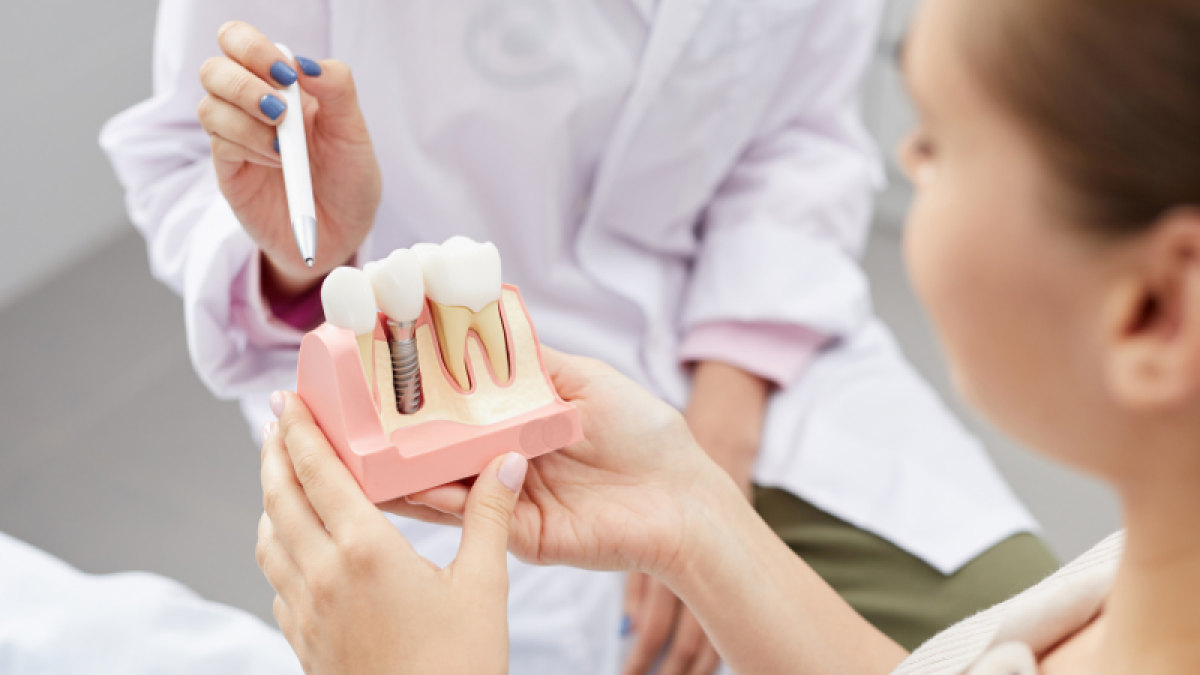
Tooth loss can significantly impact comfort, confidence, and oral health. Choosing the right tooth replacement method affects chewing efficiency, facial structure, and long-term dental stability. Many patients evaluate dentures, bridges, and dental implants while searching for solutions that restore natural function. Among these options,Dental Implant Solutions consistently offer superior outcomes due to their durability, stability, and ability to preserve bone and surrounding teeth.
Understanding Common Tooth Replacement Options
A clear understanding of the available solutions allows patients to make informed decisions. Each method functions differently in the mouth and has distinct benefits and limitations.
Dentures Explained
Dentures are removable prosthetics designed to replace a full set of teeth or several missing teeth. They rest on the gums and rely on adhesives or suction for support. While affordable and widely used, dentures often shift during eating or speaking, leading to discomfort. Daily maintenance involves soaking, brushing, and managing adhesives. Over time, adjustments or replacements become necessary as gum and bone structure change.
Dental Bridges Explained
Bridges replace missing teeth by anchoring an artificial tooth to adjacent natural teeth. Supporting teeth must often be reshaped, which permanently alters healthy enamel. Cleaning around and beneath the bridge requires extra care to prevent plaque buildup or decay. While bridges provide fixed tooth replacement and restore some chewing efficiency, they cannot fully mimic the function of natural teeth.
Dental Implants Explained
Dental implants are permanent tooth replacements that replace both the tooth and its root using a titanium post embedded into the jawbone. Once the implant integrates with the bone, a custom crown is attached, restoring the appearance, bite strength, and function of a natural tooth. Dental implants preserve jawbone density, protect adjacent teeth, and offer long-term stability without requiring special cleaning solutions.
Structural Stability and Bite Function
Implants anchor directly into the jawbone, restoring bite strength comparable to natural teeth. Patients regain the ability to chew a wide variety of foods, supporting proper digestion and nutrition. Dentures distribute chewing forces across the gums, which can lead to limited strength and occasional discomfort. Bridges offer moderate strength but rely on the health of neighboring teeth, potentially compromising long-term stability.
Stable bite alignment prevents shifting teeth and reduces uneven wear, which is especially important for long-term oral health.
Preserving Jawbone and Facial Structure
Bone loss naturally occurs after tooth extraction due to a lack of stimulation. Implants act as artificial roots, maintaining bone density and preventing facial sagging. Dentures and bridges do not stimulate the jawbone, increasing the risk of bone resorption over time. Maintaining bone structure ensures a natural facial profile and prevents the sunken appearance that often develops with long-term denture use.
Comfort and Daily Function
Daily comfort greatly influences quality of life. Dental implants remain secure during eating, speaking, and smiling. Speech clarity improves because there is no movement or slippage. Dentures may cause sore spots, clicking sounds, or occasional displacement, particularly while eating firm foods. Bridges are more stable than dentures but still lack the root-level support of implants, which can limit chewing efficiency over time.
Protection of Adjacent Teeth
Implants preserve neighboring teeth because they do not rely on them for support. Bridges require the reduction of adjacent healthy teeth, which increases the risk of decay and fractures. Dentures do not impact other teeth directly, but may contribute to bone loss that affects surrounding teeth. Preserving natural tooth structure supports long-term oral health and reduces the need for future dental interventions.
Simplified Maintenance and Hygiene
Daily oral hygiene for implants follows standard brushing and flossing routines, just like natural teeth. Dentures require removal and soaking in specialized solutions along with adhesive management. Bridges demand careful flossing beneath the prosthetic to prevent decay. Simpler maintenance routines reduce the likelihood of plaque buildup and support consistent oral care practices.
Longevity and Long-Term Value
Dental implants are designed for decades of service and can last a lifetime with proper care. Dentures often need replacement every five to eight years due to wear or changes in gum structure. Bridges typically last ten to fifteen years, depending on the health of supporting teeth. Implants reduce repeated dental visits and long-term costs, making them a cost-effective solution despite higher initial investment.
Enhancing Nutrition and Eating Habits
Dental implants restore full chewing function, allowing patients to enjoy a balanced diet including firm and fibrous foods. Improved mastication supports better digestion and overall health. Dentures may limit food choices due to instability, while bridges provide partial improvement but cannot fully replicate natural root function.
Maintaining dietary variety contributes to long-term physical health and prevents nutrient deficiencies often associated with tooth loss.
Speech and Confidence
Clear communication depends on stable dental replacements. Implants eliminate concerns about slipping or clicking during conversation. Dentures may interfere with pronunciation and require adjustment periods. Bridges improve speech relative to dentures but cannot fully replicate natural stability. Patients often report higher confidence and reduced anxiety during social interactions with dental implants.
Candidate Suitability
Dental implants are suitable for patients with healthy gums, sufficient bone density, and good overall health. Medical evaluation ensures safety and success. Advances in dentistry, such as bone grafting, have expanded implant eligibility for patients with limited bone volume. Personalized assessment ensures that treatment plans align with health goals and long-term expectations.
Healing and Treatment Timeline
Implant placement involves a surgical procedure followed by a healing period for bone integration. This timeline supports strong long-term stability. Dentures provide immediate replacement but sacrifice permanence, while bridges are quicker to place but require alteration of healthy teeth. Understanding the healing process helps patients plan recovery and long-term care.
Psychological and Social Benefits
Dental implants offer more than functional improvements. Secure implants feel like natural teeth, reducing anxiety related to movement or appliance removal. Patients regain confidence during social situations and experience improved quality of life. The combination of comfort, aesthetics, and stability provides both emotional and practical benefits.
Long-Term Oral Health Outlook
Implants support balanced bite alignment, reduce shifting teeth, and maintain jawbone density. Dentures can contribute to uneven pressure distribution and bone loss. Bridges may strain supporting teeth as time progresses. Choosing dental implants promotes long-term oral stability and reduces the risk of complications.
Dental patients seeking high-quality care and expert guidance can rely on White Lily Medical Center for personalized consultations. Professional evaluation ensures treatment decisions meet patient needs and long-term dental goals.
Final Perspective
Dental implants offer unmatched stability, function, and preservation of oral structures. Dentures provide temporary solutions but lack long-term reliability. Bridges offer fixed placement but compromise healthy teeth. By restoring both form and function at the root level, dental implants remain the most complete option for patients seeking permanent tooth replacement. Consultation with a qualified dental professional ensures decisions align with personal health, aesthetic goals, and functional expectations.