Admin
Admin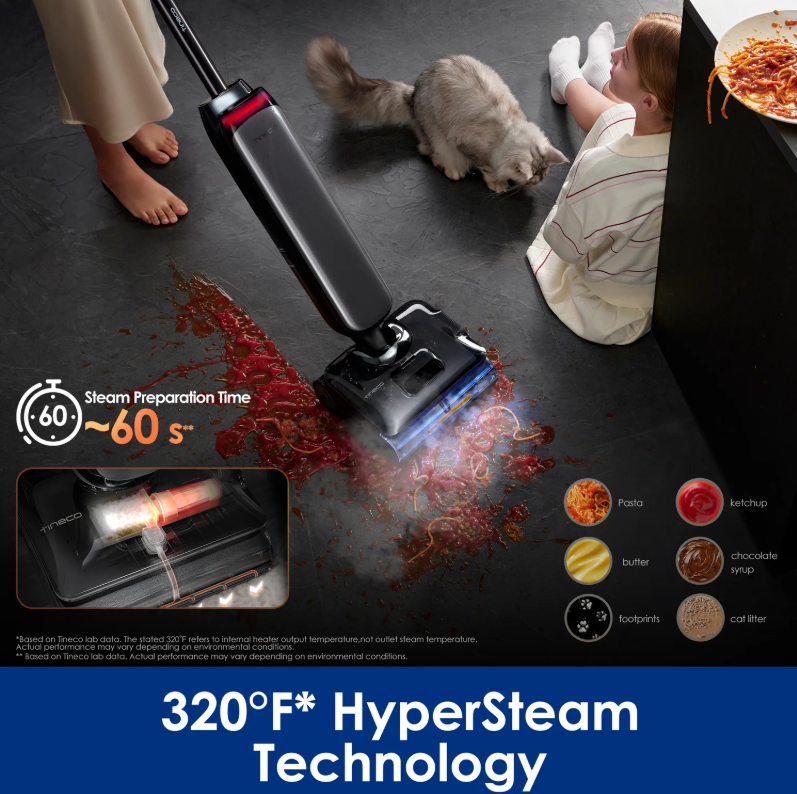
Dinner wraps up, and the floor tells the truth. A few grains of rice near the chair legs. A thin smear of sauce by the stove. That gritty line at the doorway that shoes keep dragging in. Then the “invisible” stuff shows up. Sticky patches that grab your socks. Fine dust that hugs the edges. Pet hair that somehow lands in the same corner again and again.
In 2025, floor cleaning splits into two habits. Some people want a fast dry vacuum that handles crumbs, dust, and hair in seconds. Others want one machine that vacuums and washes at the same time, so the mop and bucket stop taking over the kitchen. Steam shows up too, not as a miracle, but as a practical way to loosen greasy marks and dried splashes with less scrubbing.
That’s where Tineco’s new S9 Artist line sits, right next to big names like Dyson, plus competitors like Dreame and Shark. This guide breaks down what these machines do in real homes, what they make easier, and what they demand in return. No hype. Just the stuff that decides if a wet-dry vacuum feels like a smart buy or a bulky regret.
Quick Takeaways
- A wet-dry vacuum suits hard-floor homes that deal with daily crumbs, splashes, sauce drips, and sticky spots. It handles dry mess and wet mess in one routine, so mopping turns into an occasional backup plan.
- It won’t replace a dedicated cordless stick vacuum for carpets, stairs, curtains, or car seats. Those jobs still favor lighter, dry-only machines (the Dyson-style lane).
- Expect a deal: less time pushing a mop, more time doing quick upkeep. Tanks need emptying, brushes need rinsing, and the machine needs a place to dry without smelling funky.
- Steam can help on stuck-on grime and greasy marks, but it still needs sensible use. Sealed hard floors handle it better than delicate finishes that dislike heat and moisture.
- Under-furniture reach matters more than box specs. A cleaner that gets low can cut the “bend down, scoot chairs, move stuff” routine.
- For anyone trying to compare models in this category, a line-up page like Tineco floor cleaner helps define what “wet-dry” even means: vacuuming plus washing in one pass.
What a Wet-Dry Vacuum Does (and what it doesn’t)
A regular vacuum handles dry mess. A mop handles wet mess. A wet-dry vacuum covers the middle ground: pick up crumbs and hair, then wash the floor in the same pass. In a busy home, that matters because mess rarely comes in neat categories. Crumbs sit next to sticky spots. Fine dust mixes with splashes. Pet hair clings to damp patches near the sink.
Wet Mess + Dry Mess in One Routine
A normal run looks like this: a slow pass near the stove, a tighter pass around chair legs, then a quick sweep along the edges where grit likes to hide. The machine lifts the dry bits while it lays down clean water for the wash step. Dirty water goes into its own tank, so the floor doesn’t get wiped with the same grey water over and over.
That “separate tank” detail sounds small. It changes how the floor feels after. Less streaking. Less film. Less of that sticky layer that comes back after a rushed mop job.
Wet-dry machines also help with the stuff that feels annoying but constant:
- Sticky spots near the stove and counter edges
- Footprints near the entryway
- Pet hair that gathers at baseboards
- Spilled drinks that dry into tacky patches
The Trade-Offs People Notice Fast
A wet-dry vacuum saves time on the floor itself, then asks for time right after. That’s the deal.
Common realities:
- Tank emptying: dirty water needs dumping after runs, especially in larger spaces. Skip it and smells show up fast.
- Brush upkeep: hair and gunk wrap around brushes. Some machines handle it better than others, but none ignore it forever.
- Drying needs: the machine needs a spot to sit and dry. Tight apartments feel this more.
- Edge cleaning: many models still leave a thin strip near walls or tight corners. A quick follow-up pass or a small tool sometimes finishes the job.
The S9 Artist Launch: What’s New and What Actually Matters

Specs can read like a brag sheet. What matters: what those numbers and features change on a normal Tuesday. The S9 Artist line pushes three practical ideas—strong pickup, low reach, and less gross cleanup after.
S9 Artist Pro: what stands out on paper (and why it matters)
The S9 Artist Pro lists 22kPa suction. Translation: better pickup when the floor holds a mix of crumbs, grit, and hair. That mixed mess causes most “why does it still look dirty?” moments, especially in kitchens and entryways.
It also lists up to 75 minutes of runtime. Longer runtime helps in bigger spaces or on busy days. Short runtime tends to push rushed passes. Rushed passes leave streaks and missed bits.
The 180° lay-flat design targets the most skipped area in many homes: under beds, low sofas, and cabinet toe-kicks. Under-furniture dust doesn’t look dramatic, but it builds up and spreads.
Then comes the after-clean part. The Pro version lists a Flashdry self-cleaning routine that uses heated fresh water and hot-air drying (listed as 85°C). That matters because damp brushes and leftover gunk create odor. A cleaner that dries itself can reduce that “old mop” smell effect—if it gets used consistently.
The product info also mentions a DualBlock anti-tangle system (comb + straight scraper). In plain terms: it aims to cut down on hair wrapping around the brush. Not magic. Just less time pulling out a gross ribbon of hair with your fingers.
A lot of shoppers search the phrase best wet dry vacuum and end up on pages like this. The useful part isn’t the label—it’s matching the feature set to the home: hard floors, daily spills, and a cleanup routine that won’t get skipped.
S9 Artist Steam: where steam helps (and where it doesn’t)
Steam targets one type of mess: stuff that sticks. Think dried sauce near the stove, greasy footprints near the sink, or that patch where cooking oil mist settles over time. The S9 Artist Steam lists a HyperSteam system with an internal heater output up to 320°F, and an outlet temperature listed to stay at or above 210°F in lab notes.
In real terms, steam can loosen grime so the brush and suction can lift it with fewer repeat passes. That helps in kitchens and around dining areas where spills dry fast.
Steam still has limits:
- It won’t make deep scratches disappear.
- It won’t fix a floor that dislikes heat or moisture.
- It won’t replace basic habits like wiping up big spills quickly.
The Steam version also lists 22kPa suction, up to 75 minutes, 180° lay-flat (noted as 5 inches), plus LED headlights. Headlights sound gimmicky until they show dust near baseboards and under cabinets that normal room lighting hides.
If the search results keep pointing to “top pick” wording, the same idea applies: treat it like a signpost, not a verdict. For example, a page titled best wet dry vacuum tells you what the model tries to do (steam + wet-dry cleaning), not what every home will love.
Tineco vs Dyson vs Dreame vs Shark — A Real-Life Comparison
Brands sell different “cleaning styles.” That matters more than logos or one power number. The easiest pick comes from how the home gets messy and how people actually clean when they feel tired.
Cleaning style difference
Dyson (dry-first)
Dyson’s lane centers on fast dry pickup and flexibility. It shines on rugs, stairs, sofa crumbs, corners of the car, and quick grab-and-go jobs. A dry-only vacuum also fits smaller storage spaces. No dirty-water tank. No wet brush to dry.
But dry-only cleaning leaves a gap: sticky spots and dried splashes. Those still need a mop step or a wipe-down. In real life, that “second step” gets skipped more often than people admit.
Tineco / Dreame / Shark (wet-dry-first)
Wet-dry machines aim at the daily mess that mixes dry and wet. They can pick up crumbs and then wash right after, so the floor feels cleaner underfoot. That matters in kitchens, dining areas, and entryways.
The trade stays consistent across the category: less mop time, more post-clean care. A model with a reliable self-clean and drying cycle can make that part less annoying.
Mess types that separate the brands
Match the mess to the tool:
- Fine dust on hard floors: Wet-dry machines often leave a “just washed” feel, while dry-only vacuums can scatter dust if the head doesn’t seal well.
- Pet hair: Dry-only vacuums often win on couches, rugs, and stairs. Wet-dry machines help on hard floors, but hair can wrap the brush if the anti-tangle setup can’t keep up.
- Sticky spills and kitchen grime: Wet-dry (and especially steam options) often win here because they tackle the stuck layer, not just the crumbs on top.
- Bathrooms: Wet-dry works well for water drips and hair near sinks, but tight spaces can feel awkward if the head runs bulky.
Under-furniture and edges
Under-furniture cleaning decides a lot of “worth it” feelings. A machine can have strong specs and still miss the most ignored areas. That’s why the S9 Artist line’s lay-flat reach matters in normal rooms: low sofa gaps, beds with drawers, and cabinet toe-kicks.
Edges stay tricky for most cleaners. Many machines leave a slim dirty line along baseboards or in tight corners. Wet-dry vacuums often clean close, not perfect. A quick follow-up pass or a small handheld tool can finish the job.
Maintenance and smell control
This part doesn’t feel fun, but it decides long-term satisfaction.
- Dry-only vacuums: empty the bin, clean the filter sometimes, cut hair off the brush roll now and then.
- Wet-dry vacuums: empty dirty water, rinse tanks, run a clean cycle, and make sure the brush dries.
A good self-clean and dry routine can keep a wet-dry vacuum smelling normal. Skip the routine and the machine starts to stink. That’s not “bad luck.” That’s damp gunk sitting in a closed tank.
“As Good as Dyson?” Depends on the Home
Comparisons get messy because people compare tools that solve different problems. A cordless stick vacuum shines when life needs quick dry pickup on lots of surfaces. A wet-dry vacuum shines when the same hard floors get hit with crumbs, hair, and sticky spills every day.
When Dyson makes more sense
Dyson-style cleaning fits homes with lots of “dry chaos” across many surfaces:
- Rugs or carpet cover a big part of the space
- Stairs show up in the daily routine
- Upholstery and beds need frequent cleaning
- A car gets regular use and collects sand, dust, and crumbs
- Storage feels tight, so a lighter tool wins
- Cleanup time after vacuuming needs to stay close to zero
In these setups, a wet-dry machine can feel like too much machine for the job.
When Tineco makes more sense
Tineco’s wet-dry lane fits homes where hard floors take the daily beating, especially in food-heavy spaces:
- Hard floors dominate (tile, sealed wood, laminate, vinyl)
- Cooking happens often, so grease and splashes show up near the stove
- Kids drop snacks and drinks on repeat
- Pets track in grit and leave hair tumbleweeds near walls
- The floor needs that “washed” feel more than it needs deep carpet cleaning
- A quick rinse-and-dry routine after cleaning feels doable
For anyone still sorting categories, a page like Tineco floor cleaner works as a simple reference: wet cleaning plus vacuuming in one routine.
Is a Tineco Wet-Dry Vacuum Worth It?
“Worth it” usually comes down to one thing: does it remove a chore from the week, or does it add a new one. A wet-dry vacuum can save time on the floor itself, but it asks for a quick cleanup routine after.
The “worth it” test (simple checklist)
A Tineco-style wet-dry vacuum tends to make sense if most of these ring true:
- Hard floors make up most of the space
- Spills happen often enough that mopping feels nonstop
- Sticky spots show up near the stove, sink, and dining area
- Pet hair collects along edges and under furniture
- Storage has room for a charging base and a spot for drying
- A 2–5 minute rinse routine after use feels realistic
- The home benefits from under-furniture reach (beds, low sofas, toe-kicks)
If the home looks more like this, the value drops:
- Mostly carpet or rugs
- Lots of stairs
- More “dust and crumbs” than “sticky and wet”
- No patience for tank emptying and brush care
- Very tight storage space
Common regrets (so no one feels tricked)
Regrets show up fast when expectations don’t match daily life:
- “It’s too much machine for my space.” In small apartments, the storage and drying footprint can feel annoying.
- “Cleanup takes longer than I thought.” The floor looks great, then comes the tank emptying and brush rinse. Skip it once or twice and odor shows up.
- “I wanted one tool for everything.” Wet-dry machines don’t replace a dry vacuum for rugs, stairs, and upholstery.
- “Edges still bug me.” Many models leave a thin strip near walls or in tight corners.
- “I thought steam would fix everything.” Steam can help loosen grime, but it won’t solve floor damage or deep scratches.
Easy Care Routine that Keeps Performance Steady
A wet-dry vacuum can feel great for the first week, then slowly get annoying if upkeep slips. Not because the machine “fails.” Because damp grime builds up fast. The good news: the routine doesn’t need a whole cleaning ceremony. It needs consistency.
After-every-use habits (2–3 minutes)
- Dump the dirty water right away. Letting it sit turns a mild smell into a problem.
- Quick rinse the dirty-water tank. A fast swish under the tap helps stop buildup.
- Check the brush for hair clumps. Pull them out while they’re still easy.
- Run the self-clean cycle if the machine has one. This matters most after sticky spills and kitchen grime.
- Let parts dry with airflow. A closed, damp tank smells worse than one that dries properly.
Weekly habits (odor + buildup prevention)
- Rinse the clean-water tank too. Soap residue and minerals can build over time.
- Wipe seals and tank edges. These spots trap sludge. A paper towel fixes it fast.
- Check the filter area. Dust and dampness don’t mix well.
- Give the brush a deeper rinse. If pets live in the home, this step matters more.
FAQs
How does a wet-dry vacuum compare to a regular cordless vacuum?
A cordless stick vacuum focuses on dry pickup—dust, crumbs, hair—across many surfaces like rugs, stairs, and sofas. A wet-dry vacuum focuses on hard floors and handles dry mess plus washing in the same pass. That wash step matters when floors feel sticky or grimy even after vacuuming.
Does Tineco replace Dyson completely?
Not for most homes. Dyson-style vacuums usually win on rugs, stairs, upholstery, and car cleaning. Tineco-style wet-dry machines usually win on hard floors that get daily spills and sticky buildup.
Is steam safe on floors?
Steam can work well on sealed hard floors, but floor finish matters. Some delicate surfaces dislike heat and moisture, especially if water can seep into seams. Steam also won’t “fix” damaged floors—it helps loosen stuck-on grime so cleaning takes fewer passes.
What makes the S9 Artist line different from older wet-dry cleaners?
Based on the product info provided, the S9 Artist models focus on three everyday pain points: strong pickup for mixed mess, a lay-flat body for under-furniture reach, and a self-cleaning routine designed to reduce the wet-brush smell problem. The Pro version also lists an anti-tangle setup meant to reduce hair wrap.
What’s the biggest reason people decide a wet-dry vacuum isn’t worth it?
Maintenance tolerance. A wet-dry vacuum asks for tank emptying and brush care. Skip those steps and odor shows up fast. People who want a “vacuum and walk away” routine often feel happier with a dry-only machine, even if it doesn’t wash the floor.
How long does it take to charge the Tineco S9 Artist, and can it charge partially for quick use?
- Full charge takes 3.5 hours (via the included fast-charge dock).
- It supports partial charging: 1 hour of charging delivers ~25 minutes of runtime (Eco Mode), enough for quick kitchen or entryway cleanups.
- The battery has overcharge protection, so leaving it on the dock when not in use won’t damage it.
What are the tank capacities, and how often do they need refilling/emptying?
- Clean water tank: 0.8L (Pro) / 0.8L (Steam) – enough for ~100㎡ of hard floors in one fill.
- Dirty water tank: 0.75L (both models) – for large homes (150㎡+), expect 1–2 emptyings per full clean; small apartments can finish a full run without emptying.
- The tank’s wide opening makes rinsing easy—no narrow gaps to trap gunk.
How much does the S9 Artist weigh, and is it easy to maneuver around furniture?
- It weighs 9.2 lbs (4.2kg)—light enough for most people to lift over thresholds or carry up small sets of stairs.
- The 180° swivel cleaning head and lay-flat design (12.85cm thick) let it glide under sofas, beds, and cabinet toe-kicks without moving furniture.
- The ergonomic handle reduces wrist strain during long cleaning sessions.
Can I use the S9 Artist on area rugs or low-pile carpets, or is it only for hard floors?
- It’s designed primarily for hard floors—using it on carpets can trap moisture, leading to mold or mildew.
- For low-pile rugs (≤0.5cm), you can use the “Dry Only” mode (no water release) to pick up crumbs, but it won’t deep-clean carpets like a dedicated vacuum.
- The machine has a floor sensor that reduces water flow on delicate surfaces, but it won’t prevent carpet damage from prolonged use.
How often do I need to replace the filter or cleaning brush, and what’s the cost?
- HEPA filter: Washable and reusable—rinse it monthly (or more often with pets/kids) and replace it every 12–18 months. Replacement filters cost ~$25.
- Cleaning brush: The anti-tangle roller lasts 6–12 months with regular rinsing. Replacement brushes cost ~$40, and the DualBlock scraper is replaceable separately for ~$15.
- Routine rinsing (after each use) extends both parts’ lifespan significantly.
How loud is the S9 Artist during cleaning and self-cleaning?
- Cleaning mode: 68–72 dB (Eco Mode) to 75–78 dB (Max/Steam Mode)—quieter than a standard vacuum (80–85 dB) and similar to a conversation.
- Self-clean + FlashDry: 78–82 dB (for 10 minutes)—loud enough to notice but not disruptive if you’re in another room.
- It’s quiet enough for early-morning or evening cleaning without waking kids or pets.
Is the Steam model safe for all sealed hard floors, including hardwood and laminate?
- Yes, but confirm your floor’s seal first:
- Safe for: sealed hardwood, laminate, vinyl, tile, and quartz.
- Avoid: unsealed wood, waxed floors, or delicate finishes (heat/moisture can damage the seal).
- The Steam mode’s adjustable temperature (210°F minimum) won’t warp floors—its controlled steam release prevents over-saturation.
Can I use homemade cleaning solutions (e.g., vinegar + water) or third-party cleaners?
- Tineco recommends using its official pH-neutral cleaning solution to protect the machine and floors.
- Homemade solutions (vinegar, baking soda) or harsh cleaners can corrode internal tubes, clog the roller, or void the warranty.
- One bottle of Tineco’s solution ($12–$15) lasts 6–8 months with weekly use—cost-effective for long-term use.
Does the S9 Artist have a warranty, and what does it cover?
- It comes with a 2-year limited warranty (parts and labor) for residential use.
- The warranty covers manufacturing defects but not damage from improper use (e.g., using wrong cleaners, neglecting maintenance).
- Tineco offers a 30-day money-back guarantee if you’re unsatisfied, plus extended warranty options for $30–$50.
How does the Steam model’s battery life hold up when using steam continuously?
- Total runtime is 75 minutes in Eco Mode (no steam), but continuous steam use reduces runtime to 30–35 minutes.
- The machine automatically adjusts steam output based on floor dirtiness, so intermittent steam use (e.g., only on sticky spots) extends battery life to 45–50 minutes.
- The LED battery indicator shows remaining power, so you won’t be caught off-guard mid-clean.
Can it clean tight spaces like bathroom corners or under the fridge?
- The 180° lay-flat design reaches under fridges, beds, and sofas (down to 12.85cm).
- For bathroom corners or narrow gaps (≤2cm), the included crevice tool (with most packages) attaches to the handle for targeted cleaning.
- The LED headlights illuminate dark spots, so you won’t miss dust in shadowed corners.
Conclusion
The Tineco vs Dyson debate gets loud because it mixes two different cleaning jobs. Dyson-style cordless stick vacuums do fast dry pickup across rugs, stairs, sofas, and cars. Wet-dry machines like the S9 Artist line focus on hard floors and aim to cut out the “vacuum first, mop later” routine by washing and vacuuming in one go.
In homes with lots of tile, laminate, vinyl, or sealed wood—especially homes that cook often, have kids, or live with pets—a wet-dry vacuum can feel like a solid fit. It targets the mess that drives people nuts: sticky patches, gritty tracks at the door, and that dusty strip under furniture that never gets love. The trade stays real, though. A wet-dry vacuum only feels worth it when tank emptying, brush care, and drying become a normal habit.
In homes with lots of rugs, stairs, and upholstery cleanup, a Dyson-style tool usually fits better. It stays lighter, simpler, and quicker for dry mess across many surfaces. For plenty of households, the cleanest answer lands in the middle: a dry vacuum for everything off the floor, and a wet-dry machine for the hard-floor daily grind.
Read More Gorod