BlitZ
BlitZ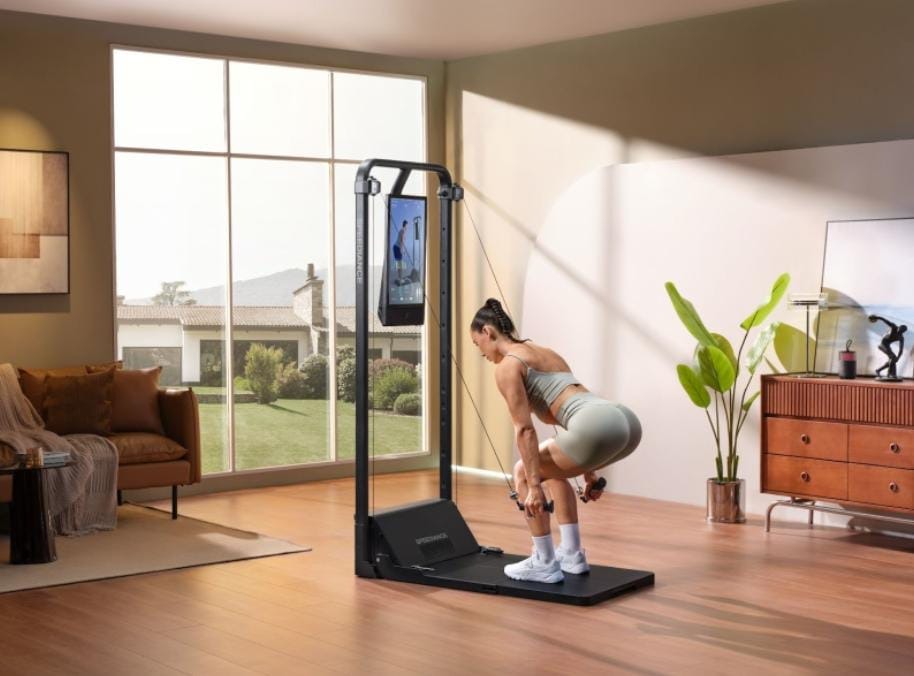
A few years ago, if someone told you that a mirror in your living room could replace half your home gym, you probably would’ve laughed. Or pictured something overly futuristic and wildly expensive. Fast forward to now, and workout mirrors are no longer a novelty—they’re quietly becoming part of how people train at home, especially when it comes to strength training.
The real question isn’t what workout mirrors are anymore. It’s whether they’re actually shaping the future of how we lift, train, and get stronger without stepping into a gym. After spending time around them, seeing how people actually use them (and sometimes don’t), the answer is more interesting than a simple yes or no.
How Strength Training at Home Has Changed
Home strength training used to be pretty basic. A few dumbbells, maybe a bench if you were serious, resistance bands stuffed into a drawer somewhere. You’d follow a YouTube video, pause it constantly, and hope your form was decent enough not to mess up your back.
Gyms, for better or worse, were where “real” strength training happened. You had mirrors, trainers walking around, and that subtle pressure of other people watching, which actually helped some folks push harder.
Workout mirrors are changing that dynamic. They’re not just reflecting you back. They’re combining guided strength workouts, real-time form cues, and structured programming into one screen that happens to look like a mirror when it’s off. That blend is what’s making people rethink what’s possible at home.
What Workout Mirrors Actually Bring to Strength Training
The biggest shift workout mirrors introduce is feedback. Not the vague kind where an instructor says “keep your chest up,” but feedback that’s tied to what you’re actually doing.
When you’re lifting at home, especially alone, form tends to drift. Squats get shallow. Deadlifts turn into back exercises. Shoulder presses creep forward. A workout mirror helps keep those small mistakes from turning into habits. You can see yourself, line up with the trainer on screen, and make adjustments mid-rep instead of after something feels off.
There’s also structure. Strength training works best when it’s progressive and intentional. Workout mirrors usually come with programs that build week to week, not just random workouts. That’s huge for people who know how to lift but struggle with consistency or planning.
And then there’s motivation. Not the loud, over-the-top kind, but the quiet accountability of having something guide the session. You’re less likely to cut it short when the workout is laid out for you and the next set is staring back at you.
Can a Mirror Really Replace Heavy Lifting?
This is where the skepticism makes sense. Strength training, especially serious strength training, often means barbells, heavy plates, and space. A workout mirror alone won’t magically replace a fully loaded squat rack.
But here’s the thing: most people training at home aren’t chasing powerlifting totals. They’re chasing strength that shows up in daily life. Stronger legs, better posture, more muscle tone, fewer aches.
Workout mirrors work best when paired with smart equipment. Adjustable dumbbells, resistance systems, kettlebells, or even bodyweight progressions. Many mirrors are designed to integrate with these tools, making the workouts feel intentional instead of improvised.
For the majority of home users, that combination is more than enough. It delivers progressive overload, variety, and consistency—three things that matter far more than chasing max lifts in your living room.
Why Workout Mirrors Feel More “Gym-Like” Than Apps
Plenty of fitness apps offer strength programs. Some are excellent. But there’s a difference between watching a workout on your phone and training in front of a large, interactive display that mirrors your movements.
Workout mirrors recreate part of the gym environment. You’re standing upright. You’re engaged. You’re not craning your neck to check your phone between sets. That subtle shift changes how focused the workout feels.
There’s also a psychological edge. Seeing yourself train—your posture, your effort, your improvement over time—creates awareness. You start correcting things naturally. You notice progress faster. And that keeps people coming back.
In strength training, consistency beats intensity almost every time. Workout mirrors quietly support that consistency.
Who Benefits Most From Strength Training With a Workout Mirror
Workout mirrors shine for people who want to lift smart, not just hard. Beginners benefit because they’re learning movement patterns with guidance instead of guessing. Intermediate lifters benefit because they stay honest with form and programming.
They’re also ideal for people juggling busy schedules. When your gym commute disappears, strength training becomes easier to fit in. Ten minutes doesn’t feel pointless anymore because it’s guided and efficient.
That said, hardcore lifters who love chalk, clanging plates, and max-effort barbell work may still prefer a traditional setup. Workout mirrors aren’t here to erase gyms. They’re here to make strength training accessible and sustainable at home.
The Role of Technology in Safer Strength Training
One underrated benefit of workout mirrors is injury prevention. Poor form and rushed progress are two of the biggest reasons people get hurt lifting at home. Without feedback, it’s easy to push through reps that shouldn’t be pushed.
Workout mirrors slow things down in a good way. They cue control. They encourage proper warm-ups and cooldowns. Over time, that creates better movement habits, which carry over whether you’re training at home or stepping back into a gym.
Some systems are also beginning to use more advanced tracking, like rep counting and performance insights. While it’s not perfect yet, it’s moving strength training in a direction that’s more informed and less guess-based.
Are Workout Mirrors the Future—or Just Part of It?
Workout mirrors aren’t a fad, but they’re also not the single future of strength training at home. They’re part of a larger shift toward smarter, more connected fitness.
The real future looks hybrid. A mix of compact equipment, guided training, and flexible programming that adapts to real life. Workout mirrors fit into that vision perfectly. They don’t demand a dedicated gym room. They don’t intimidate beginners. And they don’t lock experienced users into boring routines.
They make strength training feel approachable without dumbing it down.
Final Thoughts: Strength Training That Fits Real Life
Strength training at home doesn’t need to look like a commercial gym to be effective. It needs to be consistent, safe, and engaging. Workout mirrors help bridge the gap between knowing what to do and actually doing it, week after week.
Are workout mirrors the future of strength training at home? Maybe not the only future—but they’re definitely shaping it. And for a lot of people, that future looks more realistic, more motivating, and a lot less intimidating than the past.
Sometimes progress isn’t about lifting heavier. It’s about showing up smarter.