Qamer Javed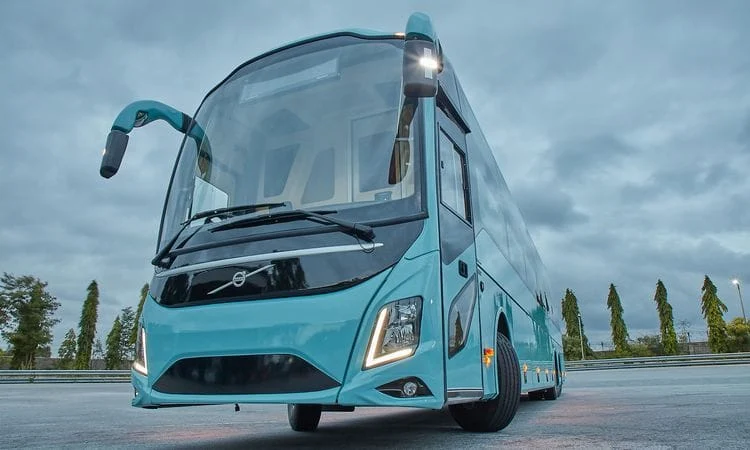
Group outings in the city of Delhi often start with excitement and careful planning. Yet many fall apart before they even begin. The difference between a smooth experience and complete chaos usually comes down to one overlooked element. Most organisers focus on destinations, activities, and schedules whilst forgetting the backbone that holds everything together.
Transport decisions shape how the entire day unfolds for any group. Poor vehicle choices create ripple effects that derail even the best-laid plans. When groups rely on multiple cars or last-minute arrangements, coordination becomes nearly impossible. Bus rental in Delhi offers a centralised solution that removes these friction points entirely. A single vehicle means one departure time, one route, and one point of accountability that keeps everyone moving together.
The Hidden Cost of Scattered Transport Arrangements
Financial Drain From Multiple Vehicles: Splitting a group across several cars might seem economical at first glance. Petrol costs multiply quickly when you factor in Delhi’s traffic conditions and distances. Parking fees at popular venues charge per vehicle, turning what seemed like savings into unexpected expenses. Toll charges on highways add another layer of cost that catches organisers off guard.
Time Wastage Through Poor Coordination: Groups using separate vehicles rarely arrive together, even with shared timing plans. Traffic variations across Delhi mean some cars reach destinations 30 minutes before others. Waiting eats into planned activities and creates frustration amongst participants. The group cannot start anything meaningful until everyone assembles, pushing schedules back repeatedly.
Why Standard Solutions Create Bigger Problems
Unreliable Auto and Taxi Services: Booking multiple autos or taxis for group movement introduces variables no organiser can control. Drivers cancel at the last moment or arrive late without warning. Fare negotiations become contentious, especially when crossing zone boundaries in Delhi. Groups end up splitting unexpectedly when some vehicles fail to show up.
Public Transport Limitations for Groups: Metro services work brilliantly for individual travellers but struggle with coordinated group movement. Peak hours make it impossible to keep 15-20 people together across platforms and carriages. Intermodal connectivity between metro stations and final destinations requires additional planning that complicates rather than simplifies. Luggage restrictions and crowd management turn simple journeys into stressful exercises.
The Domino Effect of Transport Failures
Schedule Collapse Starts Early: Missing the first pickup creates a chain reaction affecting everything that follows. Delayed departures push back arrival times at venues with strict booking slots. Tour guides, restaurant reservations, and activity timings all get compromised. What starts as a 15-minute delay mushrooms into hour-long gaps by afternoon.
Group Morale Takes a Hit: Nothing dampens enthusiasm faster than watching plans unravel due to transport chaos. Participants who arrive on time feel punished for others’ delays. Arguments break out over whose fault the situation is. The event organisers face criticism regardless of where the actual breakdown occurred.
How Proper Vehicle Planning Changes Everything
Single Point Departure Eliminates Confusion: Everyone boards at one location with clear timing and no ambiguity. The driver handles navigation whilst participants relax or socialise. No one gets lost following incomplete directions or unfamiliar routes through Delhi’s complex road network.
Capacity Matching Prevents Exclusion: Properly sized vehicles ensure no one gets left behind due to space constraints. Organisers can accurately plan for exact headcounts without last-minute adjustments. Seating arrangements stay consistent throughout the journey, maintaining group dynamics.
Professional Management Reduces Stress: Experienced drivers familiar with Delhi’s traffic patterns choose optimal routes automatically. They handle unexpected road closures or diversions without panicking participants. Climate control keeps everyone comfortable regardless of outside weather conditions.
Critical Factors Most Organisers Miss
Route Optimisation Saves Hours: Professional transport providers plan routes that minimise backtracking and avoid known bottlenecks. They factor in time-specific congestion patterns across different Delhi zones. Multiple stops get sequenced efficiently rather than adding excessive travel time.
Backup Systems Matter More Than You Think: Reliable providers maintain standby vehicles for mechanical issues or emergencies. They offer driver replacements if someone falls ill mid-journey. Communication systems ensure organisers can reach support instantly when problems arise.
Compliance and Safety Standards: Licensed vehicles carry proper insurance covering all passengers adequately. Regular maintenance checks prevent breakdowns that strand groups in inconvenient locations. Safety features meet current regulatory requirements that protect everyone onboard.
The Real ROI of Smart Transport Decisions
Groups that prioritise vehicle planning from the start report dramatically different outcomes. Activities begin on schedule because everyone arrives together and ready. Participants remember the event itself rather than transport frustrations. Organisers receive appreciation instead of complaints about logistics failures.
Budget certainty comes from fixed transport costs rather than variable expenses across multiple arrangements. Time savings translate into fitting more activities into the same timeframe. The overall experience quality jumps several levels when movement between locations becomes effortless.
Conclusion
Transport decisions deserve the same attention as venue selection and activity planning for any group event. The foundation of successful coordination lies in removing variables that create chaos and delays. Centralised vehicle solutions eliminate the scattered arrangements that cause most group plans to collapse. Start your planning by securing reliable transport that matches your group size and itinerary requirements. This single decision will determine whether your event becomes memorable for the right reasons or the wrong ones.