2Q-Solution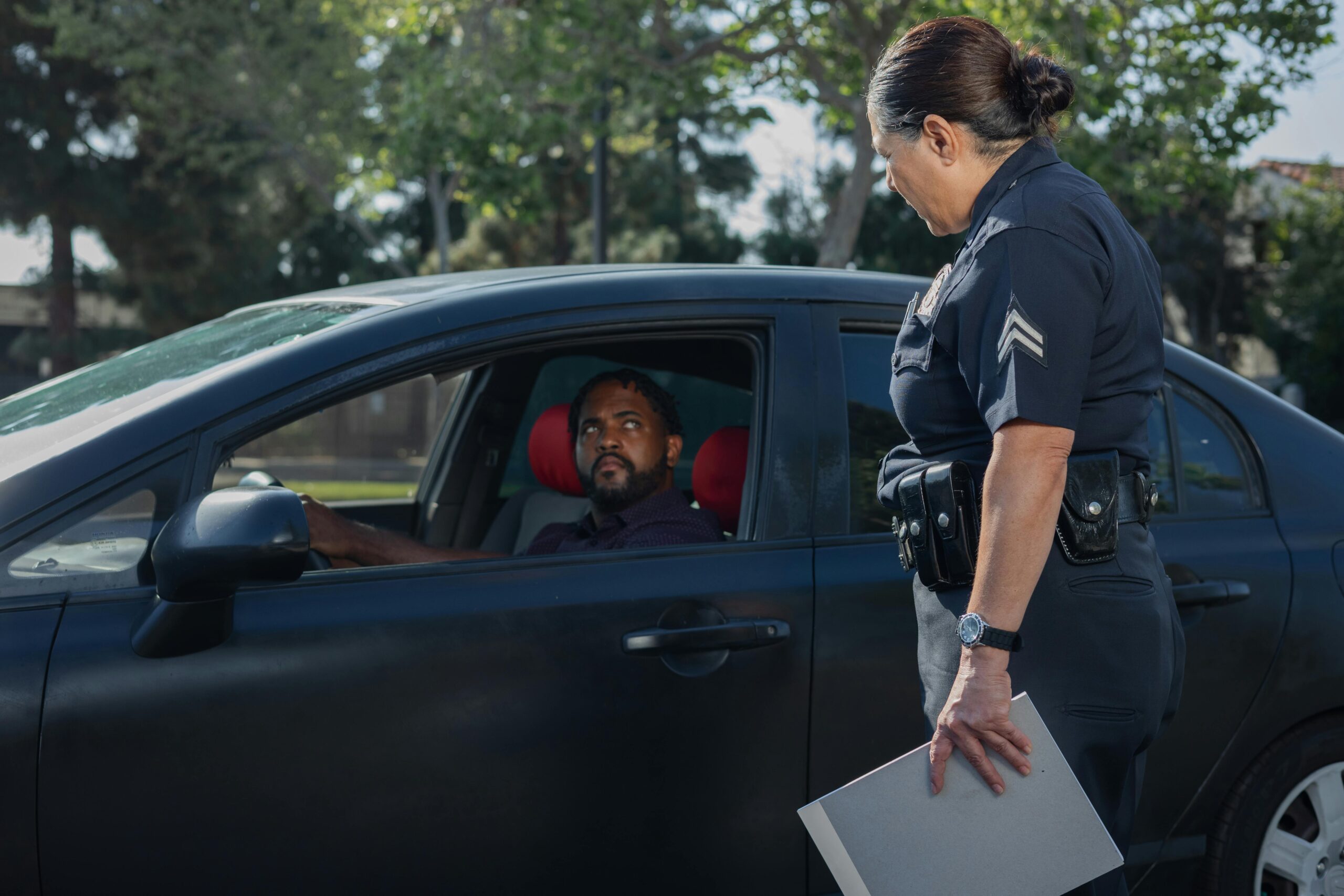
Speeding is often treated like a minor habit—something people do without thinking, especially on familiar roads. But excess speed changes how a vehicle behaves in ways many drivers don’t fully realize. The faster a car is moving, the less time a driver has to process what’s happening, react correctly, and stop safely. Even a small increase in speed can turn a normal road situation into a crash with severe injuries.
Speed-related crashes are also harder to avoid because the driver has less control when something unexpected happens—a car brakes suddenly, a pedestrian steps into a crosswalk, a light changes, or the road surface is wet. When speed removes the margin for error, it puts everyone nearby at risk. If you were hurt because another driver was going too fast, The Fine Law Firm can help you understand what evidence may show speeding and what steps may protect your claim.
Speed Shrinks Reaction Time When It Matters Most
Drivers need time to see a hazard, understand it, decide what to do, and then act. That entire process takes longer than most people think. When you’re speeding, you cover more distance during those seconds of reaction. That means you travel farther before you even touch the brakes.
This is why speeding causes so many rear-end crashes and intersection collisions. A driver may “see” a stopped car or a turning vehicle but still hit it because the speed leaves no room for a safe stop. The faster you go, the less forgiving every situation becomes.
Stopping Distance Increases Rapidly At Higher Speeds
Many drivers assume stopping distance increases in a straight line, but it grows quickly as speed rises. Brakes can only do so much, and tires can only grip the road up to a limit. At higher speeds, it takes much more road to stop, even if your brakes are in good shape and your reflexes are sharp.
This is especially dangerous in areas with frequent stops—school zones, city streets, and intersections. A driver who is speeding may not be able to stop for a red light, a child crossing the street, or a sudden slowdown in traffic. Even if the driver tries to “slam on the brakes,” there may not be enough distance.
Speed Makes Steering Less Stable And More Sensitive
At higher speeds, steering becomes more sensitive. Small movements of the steering wheel create bigger changes in the car’s direction. This makes it easier to overcorrect, drift, or lose stability—especially when the driver is startled.
Speed also affects how well a vehicle can corner. Curves that feel harmless at the speed limit can become dangerous when someone is going faster. The car may feel like it “pushes” outward, and the tires may lose grip. That loss of control can lead to running off the road, hitting barriers, or crossing into oncoming traffic.
Speed Reduces Traction And Increases Skidding Risk
Tires connect your car to the road, and traction is limited. At higher speeds, it’s easier to lose that traction—especially on wet pavement, loose gravel, sand, or uneven road surfaces. If traction is lost, braking and steering become less effective, and the vehicle can skid or spin.
Hydroplaning risk also increases with speed. When the road is wet, tires can ride on a thin layer of water instead of gripping the pavement. If that happens, the driver may feel the steering go light, and the car may slide. At high speeds, hydroplaning can become a sudden, uncontrolled event.
Speed Makes Crashes Much More Violent
Even when a driver can’t avoid a crash, speed still matters because it determines how hard the impact is. Higher speed means greater force in a collision. That force is what breaks bones, causes head injuries, and leads to serious spinal damage.
Speed also makes secondary impacts more likely. A high-speed hit can push a car into other lanes, into poles, or into other vehicles. It can cause rollovers, especially when a vehicle is struck from the side or loses control and hits a curb. For passengers, the difference between moderate speed and high speed can be the difference between a short recovery and a life-changing injury.
Excess Speed Often Causes Multi-Car Collisions
Speeding doesn’t just increase risk for one driver. It increases the risk for everyone around them. When a speeding driver hits traffic, the impact can trigger chain reactions—one car hits another, which hits another, and so on. These pileups can happen in seconds, leaving multiple people injured and vehicles blocking the road.
Multi-car crashes are complicated because there may be multiple injuries, multiple insurance policies, and disputes over who caused what. But in many cases, excessive speed is the starting point that set the entire collision in motion.
Speeding Increases Risk In Everyday Places
Many people imagine speeding crashes only on highways. In reality, speeding is extremely dangerous on ordinary streets. Neighborhoods, parking lots, and commercial areas have frequent turns, driveways, pedestrians, and sudden stops. Going even slightly over the limit reduces the ability to react to surprises.
Speed is also dangerous near schools and crosswalks. Drivers may assume they can “handle it,” but kids are unpredictable, and traffic patterns change quickly. A driver who is going too fast has fewer safe options if a child steps into the road or a bus stops unexpectedly.
How Speed Is Proven After A Crash
Speed isn’t always proven by a single fact. It can be shown through crash scene evidence such as skid marks, vehicle damage patterns, the distance a car traveled after impact, surveillance video, dashcam footage, and witness statements. In some cases, vehicle data or phone data may also help show what happened in the moments before the crash.
Police reports often include observations about speed, but they may not capture the full picture. That’s why early documentation matters. Photos of the scene, roadway conditions, and damage can help support a strong argument that speeding played a major role.
Speed Removes The Safety Margin Every Driver Needs
Excess speed reduces driver control in multiple ways: less reaction time, longer stopping distance, less stable steering, reduced traction, and more severe impacts. The fastest drivers often believe they are skilled enough to handle it, but the truth is that speed leaves no room for unexpected events—and unexpected events happen every day.
If you were hurt because another driver was speeding, focus on getting medical care and preserving evidence as soon as possible. Speed-related crashes are often preventable, and accountability matters when someone else’s decision causes real harm.