Qamer Javed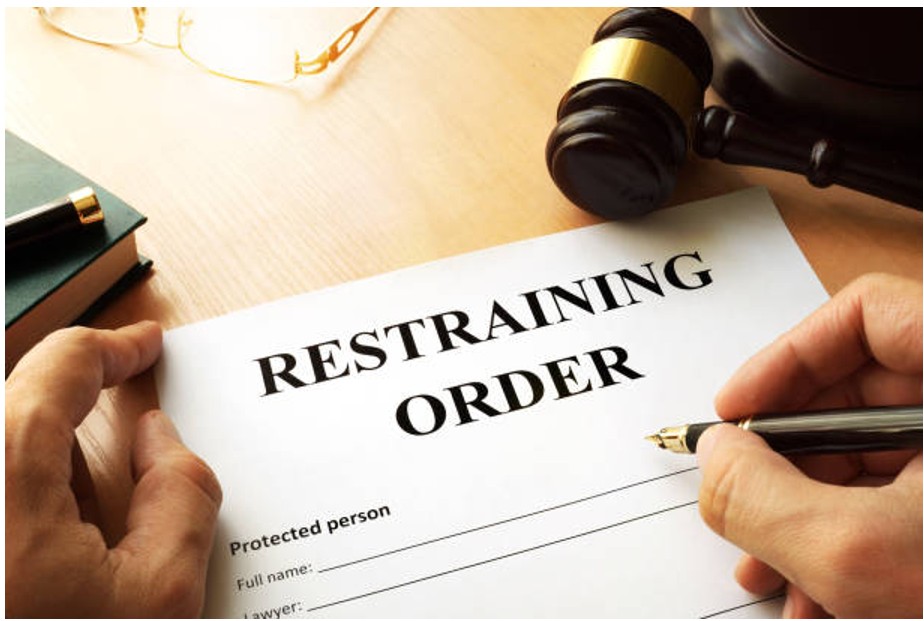
Domestic violence is a serious issue that affects individuals and families across communities, including Orange County. With its mix of busy urban centers and quiet residential neighborhoods, Orange County sees its share of situations where personal safety becomes a real concern. When threats, harassment, or abuse escalate, many people look for legal protections that can help them regain a sense of security and control over their lives.
One of the most effective legal tools available in these situations is a restraining order. Understanding how restraining orders work, who can request one, and what protections they offer is essential for anyone facing domestic violence or ongoing intimidation. In many cases, seeking guidance from an experienced Orange County domestic violence lawyer can make the process clearer and ensure the necessary steps are taken to protect your rights and safety.
What Is a Restraining Order?
A restraining order is a court order that limits how one person can interact with another. It can require someone to stay away, stop calling or texting, or avoid certain locations.
People usually request a restraining order when they feel unsafe or threatened. This may happen after ongoing harassment, stalking, repeated threats, or physical harm.
Data from the Domestic Violence Awareness Project shows that roughly one in three women and one in four men in the United States have experienced physical violence from an intimate partner. Those numbers explain why restraining orders are often used as an early step to prevent further harm.
Types of Restraining Orders
There is more than one type of restraining order, and each serves a different purpose. The right one depends on the urgency and the details of the situation.
A temporary restraining order is usually the first step. It is granted quickly and stays in place until a court hearing is held.
A long-term or permanent restraining order may be issued after a judge listens to both sides. These orders can last for years if the court believes continued protection is necessary.
In some situations, emergency protective orders are used. Police officers can request them when immediate safety is a concern.
How to Get a Restraining Order
Step 1: Get the forms.
You can find restraining order forms at the courthouse or on the court’s website. Many courts also provide self-help guides.
Step 2: Fill out the paperwork.
You will describe what happened and why you need protection. Try to be specific and honest about the events.
Step 3: File the forms with the court.
Once submitted, a judge reviews the request. In urgent cases, a temporary order may be issued the same day.
Step 4: Serve the other person.
The person named in the order must be formally notified. This is usually handled by law enforcement or a process server.
Step 5: Attend the court hearing.
Both sides are allowed to speak. The judge then decides whether to issue a longer-term order.
Final Thought
Restraining orders are meant to stop harm before it escalates. They give people a legal way to set boundaries when personal safety is at risk.
Understanding the process can make a stressful situation feel more manageable and help someone take action when it matters.
A Quick Recap
- A restraining order is a court order that limits contact to protect someone from harm.
- People request restraining orders due to threats, abuse, stalking, or harassment.
- Temporary and long-term orders serve different roles.
- The process includes filing forms, notifying the other person, and attending a hearing.
- Restraining orders help establish legal boundaries and improve safety.