IQnewswire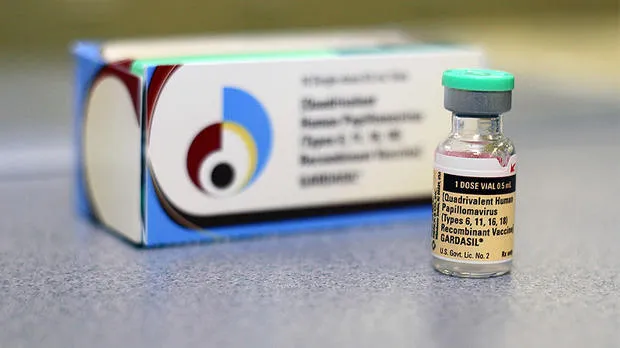
HPV vaccination can feel confusing at first, especially when terms like bivalent, quadrivalent and 9 valent start coming up. Many people simply want to know which vaccine is available, what it protects against and whether it is enough for long term cervical health. Clear information about HPV strains and vaccine types can make it much easier to decide what fits a person’s needs and stage of life.
HPV, or human papillomavirus, is a very common virus with many different strains, but only a smaller group is linked to cancer. Certain high risk types, especially HPV 16 and 18, are responsible for most cervical cancer cases worldwide. Other types mainly cause genital warts or minor cell changes, which are uncomfortable and stressful but not usually life threatening.
In Singapore, HPV vaccination is part of the national strategy to prevent cervical cancer, including school based programmes and recommended schedules for women and men. Many adults also ask about cervical vaccine in Singapore options when considering catch up vaccination or upgrading to broader coverage. Understanding how each vaccine type lines up against specific HPV strains helps patients have more focused conversations with their doctors.
Understanding HPV and Cancer Risk
HPV is a family of more than 100 related viruses, but only some are considered high risk for cancer. Among these, around 14 types are strongly linked to cancers of the cervix, and a few also affect the anus, vulva, vagina and throat. This is why vaccines were designed specifically around the strains most likely to cause serious disease rather than every single HPV type.
High risk strains behind cervical cancer
Two HPV strains, types 16 and 18, stand out as the main drivers of cervical cancer worldwide. Together they account for roughly two thirds to three quarters of invasive cervical cancer cases, which is why every HPV vaccine includes them as core targets. This means that even the earliest vaccines already aimed at the highest impact on cancer prevention.
Other high risk types, including 31, 33, 45, 52 and 58, add another significant proportion of cervical cancer cases. These strains are less common than 16 and 18, but still contribute meaningfully to global cancer numbers, especially in some regions. As evidence grew, newer vaccines were expanded to cover these additional types and further reduce cancer risk.
Low risk strains and genital warts
Not all HPV types lead to cancer. Some are classified as low risk because they tend to cause conditions like genital warts rather than malignant changes. Types 6 and 11 are the best known examples and are responsible for most genital wart cases.
While genital warts are not cancerous, they can be distressing, affect relationships and sometimes recur even after treatment. This is one reason the quadrivalent and 9 valent vaccines were designed to include both high risk and low risk strains. For many people, protection against genital warts is an important part of feeling fully protected.
Why strain coverage matters
Knowing which strains a vaccine covers helps set realistic expectations. No vaccine protects against every type of HPV, but they focus on the strains that cause the vast majority of cervical cancers and many other HPV related cancers. Even after vaccination, regular cervical screening remains important because a small percentage of cancers can still be caused by types not covered by the vaccine.
Strain coverage also matters when someone is choosing between vaccine types if more than one option is available. A broader spectrum vaccine may offer added peace of mind, especially for those who are younger and have not yet been exposed to multiple HPV types. Discussing personal risk factors with a doctor can help match vaccine choice to individual needs and budget.
Types of HPV Vaccines and Their Strains
Globally and in Singapore, three main HPV vaccine formulations are commonly discussed: bivalent, quadrivalent and 9 valent. All of them aim to prevent cervical cancer, but they differ in how many HPV types they target and whether they also protect against genital warts.
Bivalent vaccines: focused cancer protection
Bivalent HPV vaccines, such as Cervarix, are designed to protect against HPV types 16 and 18 only. Since these two strains cause the majority of cervical cancers, this narrow but powerful coverage still delivers strong protection against high grade cervical changes and cancer. Bivalent vaccines do not cover HPV types 6 and 11, so they are not intended to prevent genital warts.
Some studies suggest that bivalent vaccines may offer a degree of cross protection against a few additional high risk types, even though these are not formally included in the strain list. However, this cross protection is variable and not as reliable as direct coverage. For this reason, when broader and more predictable coverage is needed, other vaccine types are often preferred if accessible.
Quadrivalent vaccines: cancer and wart protection
Quadrivalent vaccines, such as the original Gardasil, extend coverage to four HPV types: 6, 11, 16 and 18. This means they protect against both the main high risk cancer causing strains and the low risk types that cause most genital warts. For many years, this combination made quadrivalent vaccines a popular choice for broad, practical protection.
In addition to cervical cancer prevention, quadrivalent vaccines also help reduce the risk of other cancers linked to HPV 16 and 18 in areas such as the vulva, vagina and anus. The impact at a population level includes fewer precancerous lesions, fewer treatments and less emotional strain from abnormal results. In some countries, quadrivalent vaccines are gradually being replaced by 9 valent vaccines, but they may still be available and effective.
9 valent vaccines: broadest strain coverage
The 9 valent HPV vaccine, often known as Gardasil 9, offers the widest strain coverage currently available. It includes all four types from the quadrivalent vaccine (6, 11, 16 and 18) plus five additional high risk types: 31, 33, 45, 52 and 58. Together, these nine types are estimated to account for the vast majority of cervical cancers worldwide.
By covering these extra high risk strains, the 9 valent vaccine can further reduce the risk of cervical cancer and other HPV related cancers compared with earlier vaccine generations. It also maintains protection against genital warts through types 6 and 11, which remains important for quality of life. Because of its breadth, many guidelines now recommend the 9 valent vaccine where available, especially for adolescents and young adults starting vaccination.
Making Sense of Choices and Next Steps
When thinking about HPV vaccination, it can help to focus on a few key questions: which strains matter most, which vaccine is available locally and what fits a person’s age and health plan. For many people, especially those comparing options for cervical vaccine clinics and programmes, understanding the difference between bivalent, quadrivalent and 9 valent vaccines brings more confidence. Even if someone has already started a particular vaccine, a doctor can advise on whether to continue the same series or discuss other options.
No matter which HPV vaccine type is chosen, vaccination is only one part of protecting cervical health. Regular screening, safe sexual practices and timely follow up of any abnormal test results all work together with vaccination to lower the risk of cancer. For anyone feeling unsure, booking time with a trusted healthcare provider to talk through questions and worries can make the decision feel less overwhelming and more like a positive, informed step for long term wellbeing.