2Q-Solution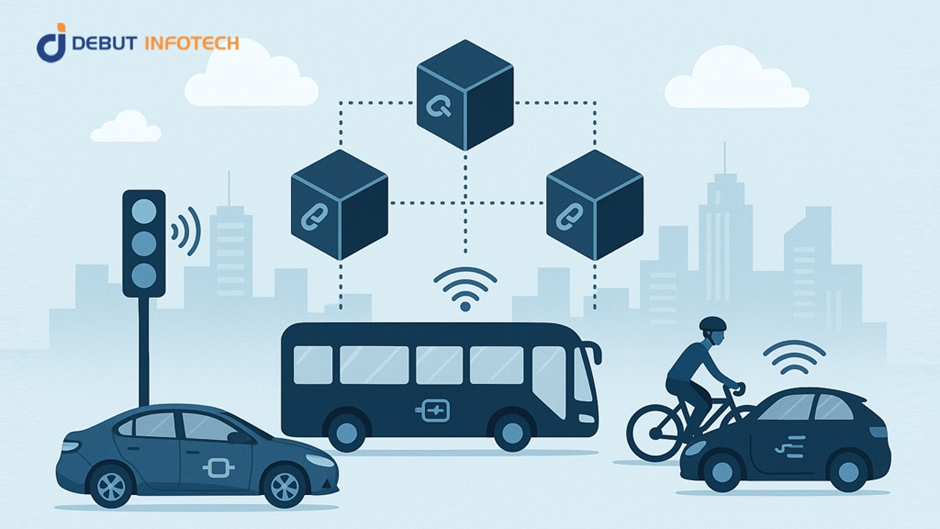
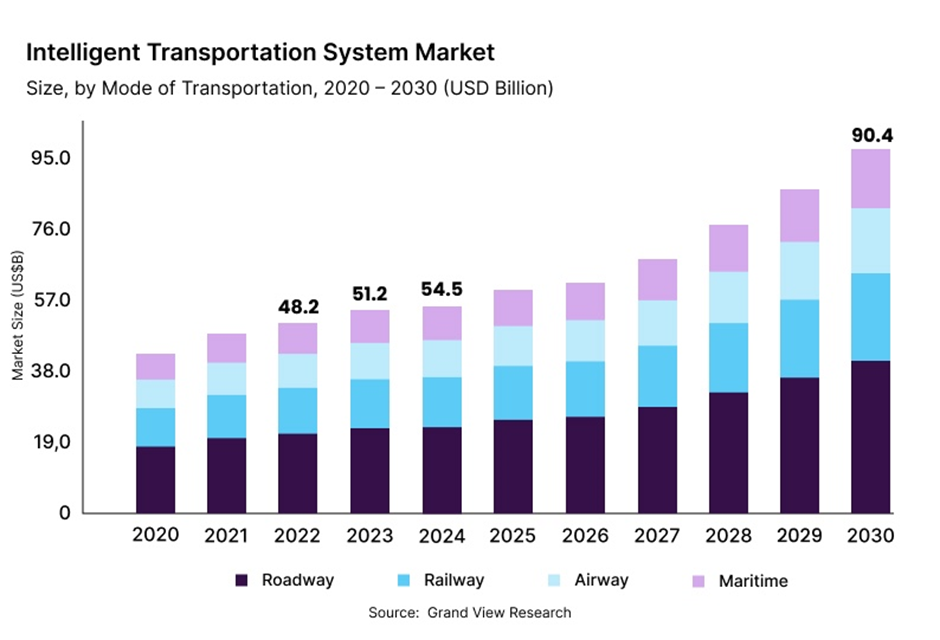
The field of intelligent transportation systems (ITS) is gaining momentum, with the global ITS market valued at approximately US$54.48 billion in 2024 and projected to reach around US$90.4 billion by 2030, according to Grand View Research.
At the same time, solutions such as blockchain for transportation—particularly in logistics and supply chains—are emerging quickly. The transportation & logistics segment of blockchain technology was valued at US $3,514.9 million in 2024, and is expected to grow at a CAGR of 91.7% from 2024 to 2030.
These trends signal that combining ITS and blockchain can improve efficiency, transparency, security, and sustainability across public transit, freight, supply chains, and multimodal networks.
In this guide, we will explore the concept of intelligent transportation systems, the role of blockchain, real-world use cases, case studies, benefits, and the major challenges affecting large-scale adoption.
What is an Intelligent Transportation System (ITS)?
An Intelligent Transportation System (ITS) integrates advanced technologies, including sensors, data analytics, artificial intelligence, and communication networks, to enhance the efficiency, safety, and sustainability of transportation networks.
It allows vehicles, infrastructure, and users to interact through real-time data sharing. This connection helps optimize routes, reduce congestion, prevent accidents, and improve fuel efficiency. The ultimate goal of ITS is to create a connected, adaptive transport ecosystem where decisions are driven by accurate, up-to-date information.
What Role Can Blockchain Play in Intelligent Transportation Systems?
Blockchain strengthens the reliability and transparency of ITS operations. It introduces decentralized data sharing, ensuring that information exchanged between vehicles, service providers, and authorities remains secure and tamper-proof. This distributed model eliminates the risks associated with single-point failures or centralized data control.
Through smart contracts, blockchain enables automated transactions—whether for toll payments, freight booking, or insurance verification—leading to a more trustworthy and autonomous transportation infrastructure.
Use Cases of Blockchain in Intelligent Transportation Systems
Here are some crucial blockchain use cases in intelligent transportation systems:
1. Public Transportation
Blockchain brings transparency and automation to public transit systems by managing ticket sales, fare distribution, and passenger verification through secure digital ledgers.
It enables real-time tracking of ridership patterns, supports contactless payments, and ensures revenue is distributed fairly among transport operators. These improvements enhance operational efficiency while creating a smoother and more trustworthy passenger experience.
2. Truck Transportation
The freight industry benefits greatly from blockchain’s traceability. Carriers and shippers can verify load details, track routes, and automate payments once deliveries are confirmed. Smart contracts ensure carriers receive payments without manual processing delays, improving accountability and reducing disputes.
3. Non-Emergency Medical Transport (NEMT)
Blockchain secures sensitive medical transport records and automates trip authorizations between healthcare providers, transport operators, and insurers. Smart contracts validate service completion before claims are processed, reducing billing errors and fraud. It also ensures that patient data remains confidential and auditable, creating a reliable and transparent foundation for managing medical mobility and reimbursements efficiently.
4. Food Supply Chain
Blockchain enhances food safety and traceability by recording each step of the supply chain—from farm harvest to retail shelf—on a tamper-proof ledger. Stakeholders can monitor storage conditions, verify sourcing, and trace contamination incidents instantly. This transparency helps reduce food waste, ensures product authenticity, and strengthens consumer confidence in the quality and origin of goods.
5. Logistics
Blockchain in logistics and transportation bridges gaps between suppliers, carriers, and customers. It maintains real-time visibility of shipments, authenticates documents like bills of lading, and prevents delays caused by paper-based verification. With integrated IoT devices, logistics operators can monitor goods conditions and trigger smart contract payments automatically.
Case Studies of Blockchain Applications in Intelligent Transportation Systems
1. Port of Rotterdam, Netherlands:
The Port of Rotterdam uses blockchain to manage cargo tracking and logistics documentation. It connects port stakeholders through a shared digital ledger that verifies shipping data in real time. This system of blockchain in transforming logistics and transportation reduces paperwork, eliminates manual verification delays, and ensures transparency for importers, exporters, and customs authorities across the global supply chain.
2. IBM and Maersk’s TradeLens:
TradeLens, a blockchain-based logistics platform developed by IBM and Maersk, digitizes the global shipping process by connecting over 100 organizations. It provides real-time visibility, automates document handling, and reduces the risk of data manipulation. The platform reduces processing times by 40% while enhancing collaboration and improving shipment accuracy among supply chain participants.
3. Singapore’s Land Transport Authority:
Singapore’s Land Transport Authority integrated blockchain into its smart mobility solutions to manage public transport payments, fleet data, and regulatory compliance. The system ensures that all transport transactions are transparent, traceable, and tamper-proof. This has improved fleet coordination, enhanced commuter trust, and reduced administrative overhead for both operators and regulators.
4. UPS and Inxeption Partnership:
UPS partnered with Inxeption to build a blockchain-powered digital logistics platform. It offers verified load boards, secure transaction processing, and transparent shipment tracking for business customers. The solution enables shippers to identify trusted carriers, automate freight payments, and maintain reliable delivery records—all while minimizing fraud and administrative inefficiencies in logistics operations.
8 Ways Blockchain Powers the Future of Intelligent Transportation Systems

1. Streamlines Payment Processes
Blockchain simplifies transactions by automating tolls, transit fares, and freight charges through the use of smart contracts. Payments are executed instantly once agreed conditions are met, removing intermediaries and reducing administrative effort. This transparency enhances trust among service providers, passengers, and carriers, while ensuring cost-efficient and error-free financial settlements across public and private transportation ecosystems.
2. Introduces Load Board Reliability and Distributed Freight Tracking
Freight logistics often suffer from unreliable listings and inaccurate tracking. Blockchain decentralizes load boards, creating a transparent system where every shipment is recorded and verified. Carriers and shippers can track cargo in real-time and confirm delivery through smart contracts, thereby eliminating fraud, duplicate postings, and disputes across global freight and logistics operations.
3. Reduces Expenses
Traditional transportation systems rely on manual record-keeping and intermediaries, which add cost and delay. Blockchain automates documentation, invoicing, and verification, reducing administrative overhead.
With decentralized validation, companies can bypass costly intermediaries and avoid fraudulent transactions. This efficiency leads to reduced operating expenses, faster settlements, and higher profitability across freight, public, and logistics sectors.
4. Fuels Sustainability Efforts
Sustainability in transport depends on accurate emission tracking and transparent data. Blockchain enables the immutable recording of carbon output, fuel usage, and maintenance data, providing organizations with a verified record of their environmental performance. This visibility allows governments and companies to monitor sustainability goals more effectively and support eco-conscious initiatives across fleets, logistics, and supply chain management.
5. Accelerates Carrier Onboarding and Payment Execution
Blockchain streamlines the onboarding process for transport carriers by instantly verifying credentials through smart contracts and secure digital IDs. Once services are delivered, payments are released automatically, eliminating the need for manual processing and potential delays. This speeds up compliance checks, ensuring that only verified, trustworthy operators participate in the network, thereby improving reliability and efficiency in freight and transport ecosystems.
6. Provides Reliable Performance History
Blockchain’s immutable ledgers create transparent performance records for vehicles, drivers, and carriers. This allows companies to verify service quality, delivery punctuality, and maintenance history without relying on self-reported data. It builds trust among logistics partners, streamlines audits. It enhances accountability by providing a verifiable record of consistent, high-quality operational performance across transport networks.
7. Streamlined Documentation
Paper-based documentation slows down cross-border logistics and increases the risk of errors. Blockchain digitizes essential records—such as bills of lading, customs declarations, and shipping manifests—making them accessible and verifiable in real-time.
With secure sharing among stakeholders, documentation becomes faster, tamper-proof, and compliant with international standards, reducing bottlenecks in global transport operations.
8. Applying the Internet of Things for Vehicle-to-Vehicle Communication (IoT)
When integrated with IoT, blockchain enhances vehicle-to-vehicle and vehicle-to-everything (V2X) communication by securing and validating shared data such as speed, location, and maintenance status. This ensures that autonomous vehicles or connected vehicles interact safely in real time. It minimizes risks of misinformation or hacking, leading to smoother traffic flow (including traffic management systems), fewer accidents, and improved coordination between vehicles and infrastructure.
Challenges of Blockchain in Intelligent Transportation Systems
1. Scalability
Transportation systems process enormous volumes of data from vehicles, sensors, and logistics operations. Traditional blockchain networks often struggle to handle this scale efficiently.
With the support of blockchain consultants, solutions such as sharding, sidechains, and Layer 2 integrations are being developed to enhance throughput. However, achieving real-time processing at a global level remains a significant technical challenge.
2. Standardization
Different regions and transport sectors operate on various blockchain platforms with incompatible protocols. This lack of standardization complicates data exchange, compliance, and security validation.
Global collaboration between governments, industry groups, and technology providers is crucial to establishing uniform frameworks that enable cross-border cooperation and regulatory consistency in transportation blockchain systems.
3. Interoperability
Transportation infrastructure often combines legacy systems, IoT devices, and modern blockchain applications. Ensuring these technologies can exchange data smoothly is complex.
Without interoperability, blockchain platforms risk operating in isolation. Building APIs, cross-chain bridges, and shared data protocols can help unify transport networks and maximize blockchain’s full operational potential.
Conclusion
Blockchain for transportation is transforming how vehicles, logistics, and public transit interact, offering enhanced transparency, efficiency, and security. By enabling automated payments, real-time tracking, and reliable documentation, it supports more innovative and sustainable transport networks.
While challenges like scalability and interoperability remain, the integration of blockchain in transportation systems promises a future of optimized operations, improved safety, and streamlined mobility across freight, public transit, and supply chain networks.
Debut Infotech is a leading blockchain development company that builds secure and efficient solutions for the transportation industry. Our expertise enables businesses to streamline logistics, automate payments, enhance transparency, and improve fleet management. By integrating blockchain for transportation, we help clients create more innovative, safer, and more reliable mobility and supply chain systems.
Read More Gorod