2Q-Solution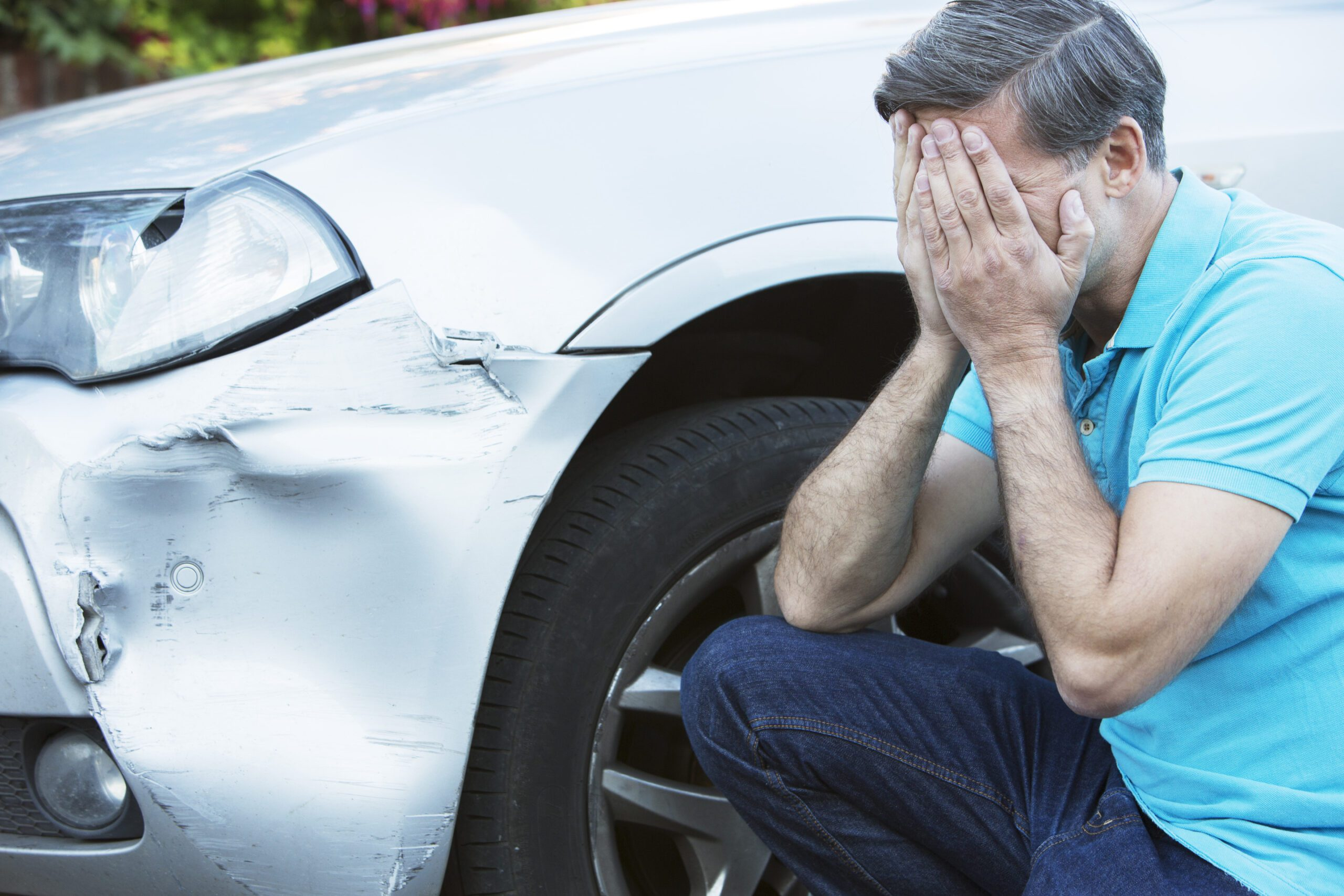
When an injury takes away the activities that once brought joy, comfort, or connection, the loss can feel overwhelming. You might still be able to walk, drive, or work—but daily life simply doesn’t feel the same. Many people don’t realize that this emotional and lifestyle impact is something the law recognizes as “loss of enjoyment of life.” It describes the moments, hobbies, or abilities that made life meaningful before the accident.
Maybe you can’t pick up your children, go for a long walk, cook without pain, or participate in your favorite weekend hobbies. These losses affect confidence and happiness just as much as physical pain does. Understanding what qualifies as loss of enjoyment helps you explain your experience clearly and pursue the support you deserve. This aspect of recovery matters just as much as medical treatment.
What “Loss of Enjoyment of Life” Actually Means
Loss of enjoyment refers to how injuries interfere with the activities that once brought value and fulfillment to your life. It’s not about income; it’s about meaning, independence, and the ability to fully participate in the world around you. These losses can be physical, emotional, or social. They shape how connected you feel to your own life.
Courts take these impacts seriously because they change your daily experience in ways that aren’t always visible. An injury that seems “minor” on paper may still affect the quality of your relationships, hobbies, or routines. When life becomes harder, emptier, or less joyful, that loss is considered real under personal injury law.
Why Emotional Health Plays a Major Role
Accidents don’t just affect the body—they can deeply affect a person’s emotional well-being. Fear of driving, anxiety in public places, or embarrassment about visible injuries can dramatically reduce someone’s enjoyment of life. These emotional changes may prevent you from socializing, trying new things, or returning to activities you once loved.
Emotional injuries often linger long after physical wounds heal. When sadness, stress, or worry limit your ability to enjoy your life, those effects matter. Mental health professionals often play a key role in documenting these struggles. Emotional challenges are just as valid as physical ones in demonstrating loss of enjoyment.
Examples of Activities People Struggle With After an Accident
Loss of enjoyment affects everyone differently, but many people face similar challenges. Here are common activities accident victims find harder or impossible to return to:
- Sports or exercise, such as running, yoga, biking, or swimming
- Family activities, including playing with kids, traveling, or celebrating events
- Hobbies, like gardening, crafting, or working on cars
- Social outings, such as concerts, meals with friends, or beach days
- Everyday physical tasks, including housework or carrying groceries
- Relaxation routines, like long drives or quiet evening walks
These changes can feel subtle at first but grow more significant over time. They reveal the deeper emotional impact of injuries—beyond the physical pain.
How Doctors and Therapists Help Prove This Loss
Medical professionals help explain how your injury limits your activities and emotional well-being. Doctors document physical restrictions like limited range of motion or chronic pain that keep you from enjoying your old routines. Therapists and counselors highlight emotional challenges such as fear, frustration, or depression. Together, their notes create a fuller picture of your real-world struggles.
This documentation is essential because insurance companies often try to downplay invisible losses. Many people choose to speak with an experienced injury lawyer in Clearwater who can coordinate these evaluations and ensure nothing is missed. When professionals validate your experience, it becomes much harder for insurers to argue that the changes “aren’t that serious.” Their insight supports your claim and shows that your emotional and lifestyle losses deserve respect.
How Legal Support Helps You Navigate These Claims
Proving loss of enjoyment can be challenging because it’s based on personal experience, not medical bills or receipts. Attorneys help translate your daily struggles into strong legal arguments that insurance companies can’t ignore. They gather statements, organize records, and present evidence that clearly shows how your life has changed since the accident.
They also protect you from adjusters who may insist your losses “aren’t significant enough” or “aren’t provable.” A skilled attorney ensures your voice is heard and your experiences are taken seriously. Their guidance helps you avoid mistakes and stay focused on healing. With proper support, your claim becomes stronger and more complete.
Why Small Changes Can Still Be Considered Serious
Loss of enjoyment doesn’t always come from dramatic injuries. Sometimes it’s the smaller struggles that matter most—like losing the stamina for weekend outings or feeling too anxious to drive at night. These quiet limitations can change your lifestyle just as much as the bigger ones. What seems small to others can be huge to you.
Courts recognize that even mild physical limitations can disrupt someone’s sense of independence. If an injury stops you from doing something meaningful, it counts. Your experience, not the severity of the injury, determines whether this loss is real. The law acknowledges that joy comes from everyday moments—not just grand experiences.
How to Document Changes in Your Daily Life
Keeping track of your daily challenges helps show how your life has changed since the accident. You can use notes, photos, therapist comments, or even text messages to document these losses. Here are things worth recording:
- Activities you used to enjoy but can no longer do
- Moments where pain or fear interrupted daily life
- Family events you missed
- Emotional struggles are tied to the injury
- Tasks you can only do with help
- Changes in your energy level or confidence
These details make your story real and understandable to judges, attorneys, and insurance adjusters. The more accurate your record, the stronger your claim becomes.
Moving Forward With Hope and Support
Recovering enjoyment after an accident takes time, patience, and support. Many people eventually find new activities, adapt old routines, or build healthier coping strategies. While life may not look exactly the same, healing can create opportunities for new forms of fulfillment. Your journey is personal and doesn’t need to follow a timeline.
Legal and emotional support can lighten the burden along the way. When professionals help secure the compensation you deserve, you gain resources to explore therapies, hobbies, or tools that improve daily life. With understanding and support, many people rediscover joy in ways they never expected. Healing is possible, even when the path feels uncertain.
Read More Gorod