Admin
Admin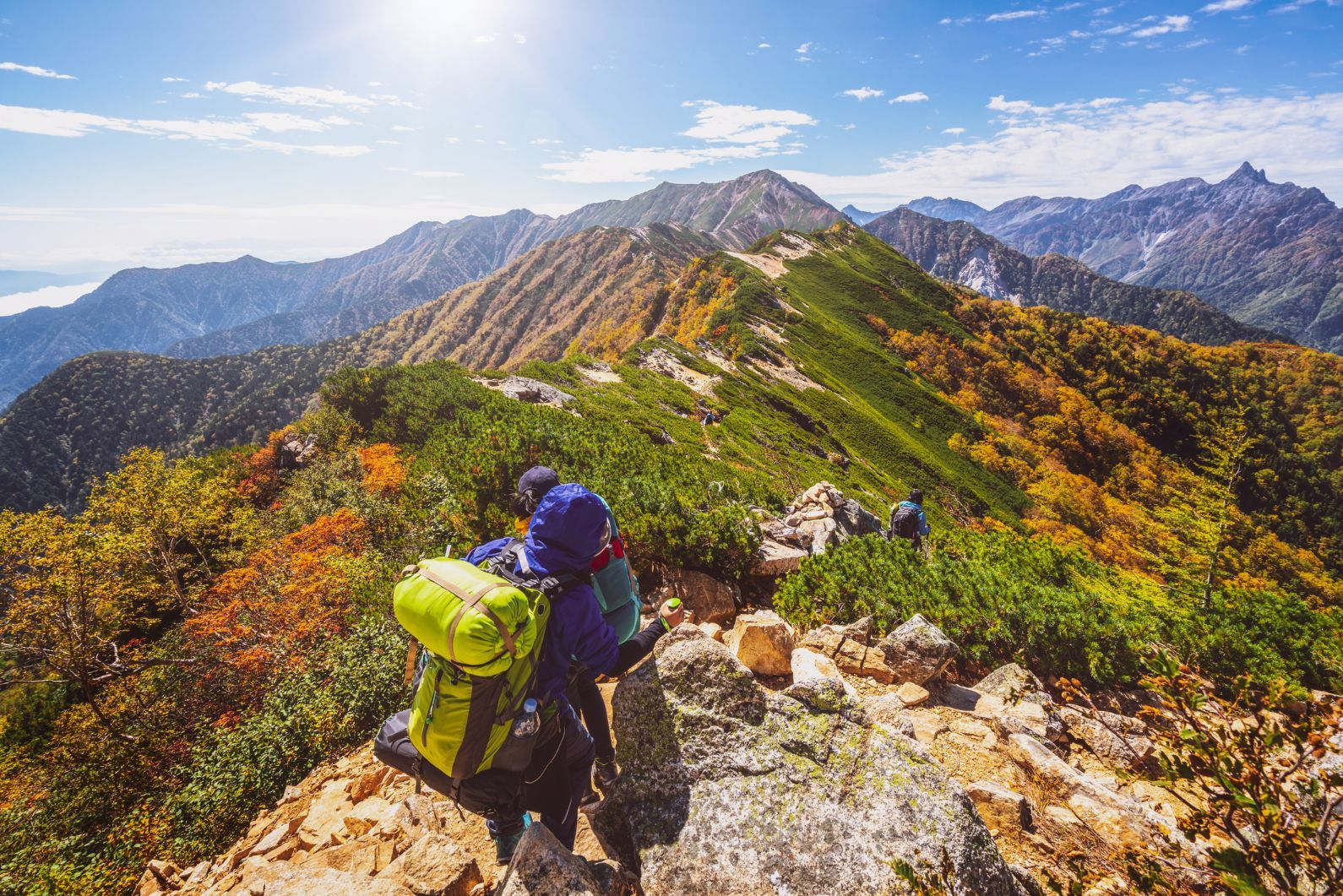
Hiking in Japan is not only suited to the experienced trekker. Several hikes are ideal for beginners, too. On a hike through the various trails available, it would be hard to miss just how much sheer natural beauty Japan has to offer. Japan’s hiking trails offer forest areas, waterfalls, and dramatic backdrops of towering mountains. The blend of scenic beauty and deep cultural history make these hiking trails a top choice for experienced hikers. In fact, Japan’s tourism industry is booming. According to JTB, the number of international visitors in 2025 is predicted to surpass 40 million. So, grab your boots and explore some of Japan’s best hikes!
- Kumano Kodo Pilgrimage Routes
The trails of the Kumao Kodo form a network of pilgrimage trails. They weave through the thick forests of the Kii Peninsula area. The history tied to the trails is fascinating, too. For more than a thousand years, they were used by emperors, monks, and everyday people searching for spiritual purification.
On each of the Kumano Kodo trails you’ll walk towards the three Grand Shrines. Each of these shrines is linked to Shinto and Buddhist traditions. On a typical hike in the area, you can expect to experience cedar forests, mountain passes, and rivers that leave you feeling as if you’ve stepped into a sacred world of the past.
Beginners often enjoy the Nakahechi Trail, which is an easy stroll and quite well-maintained. The Kohechi Trail, however, is best suited to professional or more experienced hikers because it’s remote and fairly steep. You’ll love hiking the Kumano Kodo trails because they offer a little bit of everything, including history, nature, and adventure.
• Number of Trails: 7 main pilgrimage routes.
• Difficulty: Varies (Easy to Difficult).
• Accommodation: Traditional guesthouses, ryokan, temple lodgings.
• Best Time to Visit: Spring and autumn for mild weather and scenic beauty.
• Unique Feature: One of only two UNESCO-designated pilgrimage trails in the world.
2. Nakasendo Trail
The Nakasendo Trail used to be a path that connected Tokyo and Kyoto in the Edo period. During that time, travelers, merchants, and samurais used it to travel between the two areas. With modernization, roads and railways have cut through the trail area, but between Magome and Tsumago, some of the sections still exist.
A walk like this feels like stepping into the past. Hikers walk via ancient cobblestone paths, see Edo-period buildings, and get a taste of Japan’s cultural history. In the spring, the cherry blossoms are in full bloom, drawing a crowd. In the autumn, hikers usually arrive to see the vibrant foliage.
The post towns along the trail are renowned for welcoming travelers, and you can stay in a traditional minshuku or ryokan if you wish. Kaiseki meals and warm hospitality come standard in most establishments.
• Number of Trails: 1 main preserved route.
• Difficulty: Moderate (some inclines but well-maintained paths).
• Accommodation: Traditional inns (minshuku) and ryokan.
• Best Time to Visit: Spring and autumn for ideal weather and scenery.
• Unique Feature: Part of the Edo-period that’s still accessible.
- Mount Fuji
Mount Fuji needs no introduction to most people. It’s Japan’s tallest mountain, towering around 3776m. For the people of Japan, it forms a large part of the country’s history, culture, and spiritual focus. Climbing Mount Fuji has become a bit of a travel trend, with around 200,000-300,000 people taking on the challenge each year in the summer.
The most commonly hiked trail to get to the top of Mount Fuji is the Yoshida Trail. Most people find it easy to access from Tokyo, with many facilities available on the way. For those looking for a bit more of a workout, the Subashiri and Gotemba are a good option. These two trails are fairly steep and attract fewer crowds. If you’re hiking the trail or plan to, and hear the locals talking about the “Goraiko,” it’s because it’s one of the reasons people climb the mountain – to see the first sunrise from the top. To do this, you’ll need to plan your day so that you get to the summit before dawn.
Even if you don’t plan on climbing, the Fuji Five Lakes area is a great spot to take in the views, hike some scenic trails, or snap some incredible photos. Whether climbing or just admiring it from below, Mount Fuji is one of those places you must see at least once.
• Number of Trails: 4 official climbing routes (Yoshida, Subashiri, Gotemba, Fujinomiya).
• Difficulty: Moderate to Difficult (Altitude and steep ascents).
• Accommodation: Mountain huts available along the trails.
• Best Time to Visit: July to early September (official climbing season).
• Unique Feature: Many other hikers have mentioned that it offers breathtaking sunrise views that are some of the best in Japan.
- Michinoku Coastal Trail
The Michinoku Coastal Trail is quite a stretch, weaving 1000km over Tohoku’s Pacific coastline. The trail offers more than a good view. There are cliffs, sandy beaches, and thick pine forests begging to be explored. Most hikers find the blend of rich history and natural beauty very alluring.
Interestingly, the Michinoku Coastal Trail winds through traditional fishing villages and even areas that the 2011 tsunami destroyed. Hikers can see how communities have banded together to rebuild their communities and homes.
For nature enthusiasts, wildlife spotting, beachcombing, and overnight camping spots are a real treat. Whether you’re in it for the scenery, the history, or just a moment of peace and quiet, the Michinoku Coastal Trail is an unforgettable way to experience Japan’s northern coastline.
• Number of Trails: 1 long-distance trail with multiple sections.
• Difficulty: Varies (Some easy sections, others more rugged and long).
• Accommodation: Guesthouses, lodges, and campsites along the trail.
• Best Time to Visit: Spring to autumn, which is good for mild weather and provides better views of the ocean.
• Unique Feature: This is a 1000km trail packed with natural beauty.
5. Yakushima Island
Yakushima Island is a UNESCO World Heritage site just south of Kyushu. A hike on this trail will present ancient cedar forests almost always blanketed in mist. Most hikers sign up for the hike to see the Jomon Sugi, which is a famous tree between 2000 and 7200 years old on the island. Of course, for those who like a challenge, this is the perfect choice because it will take you all day to get there (a true test of your endurance).
If you’re looking for something a little easier, there are several other trails that are ideal for beginners and intermediate hikers. The Shiratani Unsuikyo Ravine has fantasy movie appeal with its moss-covered areas. If you’re looking for a family-friendly hike, Yakusugi Land is a good option. Wildlife sightings are also a favorite, with many hikers seeing Yakushima macaques in the trees and Yaku deer wondering through the forests. Yakushima also has incredible coastal scenery, with hidden beaches, waterfalls, and even natural hot springs right by the ocean.
• Number of Trails: Over 10 well-marked hiking trails.
• Difficulty: Easy to Difficult (Varies from short hikes to multi-day treks).
• Accommodation: Hotels, guesthouses, and mountain huts available.
• Best Time to Visit: Spring and autumn for cool temperatures.
• Unique Feature: You’ll access dense historical forest areas.
If you’re planning your Japan hiking trip, here are a few top tips to consider:
Best Time to Hike in Japan
- Spring (March to May): Japan’s cherry blossoms are in bloom in spring, meaning milder temperatures.
- Summer (June to August): Summer is a gorgeous time of year if you plan to visit the Alpine regions. Just be careful in June as it’s particularly rainy at that time of year.
- Autumn (September to November): If you’re more interested in the views than anything else, autumn is a good time to visit Japan. The weather is cool, and the foliage is vibrant.
- Winter (December to February): Winter is still a good option for hiking in Japan, but it’s best for low-altitude hikes only because higher elevations may be snow-covered.
Essential Gear for Hiking in Japan
- Footwear: Hiking with the wrong shoes will only bring you pain, so pack a good pair of hiking boots. The best options are waterproof and sturdy.
- Clothing: The weather in Japan can change quickly, so it’s a good idea to layer up. Bring a combo of warm and breathable clothing.
- Rain Gear: Packing a rain jacket is a good idea. You can opt for a lightweight one as heavy jackets likely won’t be required.
- Navigation Tools: Don’t rely on just your phone—bring a map, compass, or GPS device in case you lose connectivity or your battery dies.
- Safety Equipment: Some useful items include a first aid kit, a bear bell (just in case of encounters with wildlife), and a whistle.
- Staying Connected: Getting an eSIM for Japan will help you stay connected while you hike without having to worry about dropped signal or high data costs. Snap and load pics to social media as you do because your eSIM will keep you constantly connected. You’ll have real-time access to maps and trail updates, too.
Cultural Etiquette
- Be Respectful at Sacred Sites: When hiking past shrines and temples, be quiet and respectful. Lower your voice, and don’t climb or sit on any structures.
- Pack Out Your Trash: Whatever you bring in, take it back out with you. Japan takes cleanliness seriously, and leaving no trace helps keep these trails beautiful for everyone.
- Know the Local Customs: Most people know the Japanese tradition of removing shoes when walking into certain areas, but many other traditions exist. Familiarize yourself so you don’t break any unspoken rules or offend anyone.
Conclusion
Japan’s hiking trails have a lot to offer. If you’d like to combine an active trip with learning some history and culture, Japan is the place for you. Explore the renowned paths of the Kumano Kodo and venture past the Michinoku Coastal Trail and everything in between.
Read More Gorod